Japan Work Visa 2026: Specified Skilled Worker Explained
Do you want to live and work in the country of the rising sun, without a traditional university diploma? By January 2026, Japan has dramatically increase its Specific Skilled Worker (SSW) program also celebrated topically as Tokyoite Gino (特定技能).
The Japanese government has opened its doors to 16 sectors of the industry to fight the aging population and labor shortage with better wages, job rotation opportunities and even a way to Permanent Residency. As a future nurse, logistics professional or hospitality expert, this 2026 guide will disaggregate how you can make your future in Japan happen.
What is the Specified Skilled Worker (SSW) Visa?
The SSW visa is skills-based contrary to the Engineer/Specialist in Humanities visa, which normally needs a degree. It is aimed at people who already possess the working experience in certain fields.
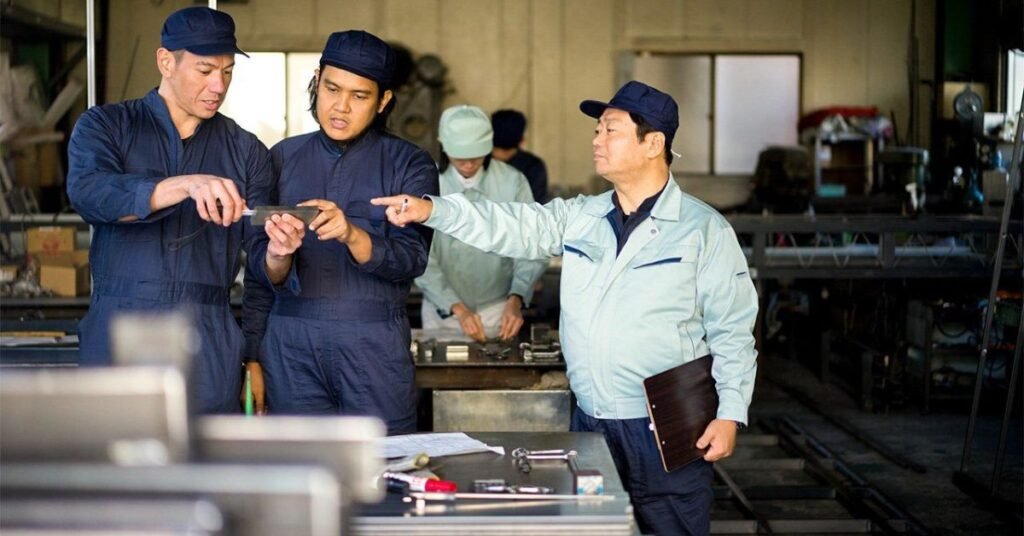
The 2026 Two-Tier System
This program is divided into two categories. It is imperative to know the distinction to be able to plan over the long term:
- SSW Type 1 (SSW i): To employees who possess a lot of knowledge.
- Stay Limit: Up to 5 years total.
- Family: In most cases, is unable to bring family members.
- Support: Be provided with a Support Plan by the employer or Registered Support Organization (RSO) which is mandatory.
- SSW Type 2 (SSW ii): To apply to the workers who are supervisory and proficient.
- Stay Limit: No limit of renewal.
- Family: You are allowed to bring your spouse and children.
- The Ultimate Goal: This is an accolade towards the permanent Residency (PR) requirement of 10 years.
Industry List The 16 Industrial Fields: 2026
The ultimate months of 2024 and 2025 saw the section of new aspect to address the inevitably of provision and structure in Japan. The 16 areas in which you can activity in 2026 are these:
- Nursing Care (Caregiving)
- Cleaning management Building.
Construction Industry
- Industrial Product (Machining, Electronics, etc.)
- Shipbuilding and Ship Machinery.
Car service and service.
- Ground handling/maintenance Aviation Industry.
- Accommodation Industry (Hotels and Ryokans).
Agriculture
- Fishery and Aquaculture
- Food and Beverage Manufacture.
- Restaurants Food Service Industry.
Forestry
- Wood Industry
- Transportation – Motor vehicle (Truck, Taxi, and Bus drivers) – 2026 first.
- Railway (Operation, Reparation, and Construct) -New in 2026.
Qualification How: Exams and Requirements
The Prometric testing system has simplified the application process in 2026. In order to receive your visa, you will need to overcome two major obstacles:
The Skills Proficiency Test
There is an examination in every industry. They are convenient, multiple choice exams passing in Japan and various countries (Philippines, Indonesia, Nepal, Vietnam and so on) called sending countries.
- Registration: Record on the Pro metric unit SSW Portal.
- Fees: Just about 7,000 to 8,000 supported on the manufacture.
The Japanese Language Test
You have to demonstrate that you are able to cope with everyday life and simple work instructions. You need one of the following:
- JLPT N4 or above: The Japanese-Language Proficiency Exam.
- JFT-Basic: A newer test that is computer based and that is specifically designed in SSW applicants.
Salary and Benefits in 2026
The Equal Pay Rule is one of the most desirable aspects of the SSW program. The law of Japan requires foreign SSW employees to receive similar or higher wages as a Japanese worker in the same job position.
Estimates of 2026 Monthly Salary:
- Aviation & Tech: ¥280,000 – ¥420,000
- Construction & Railway: ¥250,000 – ¥350,000
- Food Service & Agriculture: ¥200,000 – ¥260,000
- Nursing Care: 180,000 -230,000 (usually includes the housing subsidies)
Additional Benefits:
- Job Mobility: It is possible to shift employers across the same line of industry.
- Social Insurance: You are completely in Shakai Hoken (Health Insurance and Pension).
- Pension Refund: In case you come back home after 3+ years, you will be able to get Lump-Sum Withdrawal Payment in the amounts of thousands of dollars.
FAQs
Is it possible to change a Student Visa to SSW Visa in 2026?
Yes! In case you are a student in Japan, you may change to SSW Type 1 provided that you pass the necessary skills and language exams. You do not have to go back to your home country to apply.
I used to work as a Technical Intern (TITP). Do I need to take the exams?
In the case you passed Technical Intern Training (ii), you are also not required to take the Japanese language test and the skills test as long as you are working in a related area.
What will become of me in case my company becomes bankrupt, or I am ready to resign?
You can seek another employment in the same field. You need the assistance of your Registered Support Organization (RSO) to assist you in securing a new placement in case you are on an SSW Type 1 visa.
Does it have any age restrictions in the SSW visa?
The minimum age is 18. Although there is no major upper limit, the most industries would use candidates who are less than 60 years old because the job is physical.
What is the estimated duration of the visa processing (CoE) in 2026?
After securing an employer, the Certificate of Eligibility (CoE) will normally be issued by the Japanese Immigration between 1 to 3 months.
Final Thought
In decades, the immigration situation in Japan has never been friendlier. The Specified Skilled Worker program is not a work permit, it is a ticket to a new life. When you begin with Type 1 today, you will be able to upgrade to Type 2 in a couple of years, invite your family and one day call Japan your new permanent home.
Disclaimer
The nonfiction is exclusive knowledge and informative. Before coming to a decision, the readers are cautioned to make sure the information they are getting is obtained by credible agencies such as the Immigration Services Agency of Japan or the official SSW Support Website.