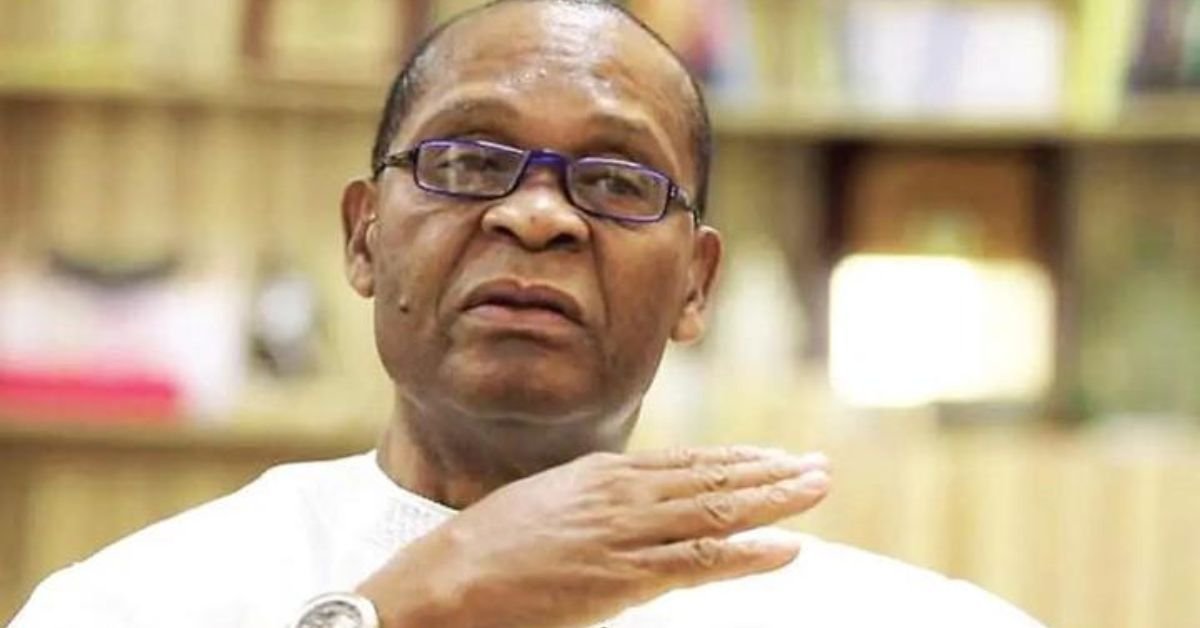
An in depth look at the statement shared by Joe Igbokwe regarding President Tinubus views on the Biafra War its lasting impact on Nigerian unity and the silent nature of the ongoing struggle .
The Nigerian Civil War commonly known as the Biafra War officially concluded in January 1970 with the declaration of No Victor No Vanquished However a recent and provocative statement attributed to President Bola Ahmed Tinubu and shared by prominent political figure Joe Igbokwe suggests that the wars underlying tensions remain very much alive The quote The Biafra War that ended in 1970 is not over yet it is still on without noise serves as a stark reminder of the sociopolitical tremors that continue to shape modern Nigeria .
The Context of the Statement
The assertion that a war which ended over five decades ago is still on might seem contradictory at first glance However in the realm of political science and national integration war is not always defined by artillery and frontline combat When Joe Igbokwe highlights this sentiment it points toward a psychological and structural conflict a silent war of marginalization identity and the quest for inclusion .
Also Read : Aisha Buhari Opens Up The Final Moments and Legacy of Muhammadu Buhari
The 1967–1970 conflict was one of the bloodiest chapters in African history resulting in the deaths of millions primarily from famine and disease While the physical weapons were laid down in 1970 the ideological wounds and the grievances that led to the secessionist movement have frequently resurfaced in the form of civil unrest political agitation and the rise of new separatist groups .
The Silent Nature of the Modern Conflict
What does it mean for a war to continue without noise This phrase suggests that the battlefield has shifted from the physical geography of the Southeast to the corridors of power economic policy and social media discourse .
1 Economic and Structural Marginalization
For many in the Southeast region the war continues through what they perceive as systemic exclusion This includes the state of federal infrastructure the distribution of key political appointments and the perceived glass ceiling in national leadership The noise may be absent but the friction is felt in the daily lives of citizens who feel the ghost of 1970 still dictates their place in the Nigerian federation .
2 The Rise of Neo Biafran Agitations
The emergence of groups like IPOB Indigenous People of Biafra is often cited as evidence that the 1970 resolution was a pause rather than a conclusion These movements represent the unresolved aspects of the war a generation that did not witness the horrors of 1967 but inherits the collective trauma and dissatisfaction of their forebears .
Reconciliation Beyond the Surface
The statement emphasizes that true peace requires more than a ceasefire It requires a Heart and Mind integration President Tinubus acknowledgment of this ongoing tension suggests a recognition that Nigerias unity is still a work in progress .
To end the silent war several pillars of national healing are often discussed .
- True Federalism Recalibrating the power balance between the center and the states to ensure every region feels a sense of ownership .
- Inclusive Governance Ensuring that no ethnic group feels systematically excluded from the highest offices of the land .
- Historical Honesty Acknowledging the pain of the past through memorials and education to prevent the cycle of resentment from continuing .
The Role of Political Communication
Joe Igbokwes decision to amplify this statement is significant As a figure who often bridges the gap between different political and ethnic spheres sharing such a heavy sentiment serves as a call to action for the current administration It signals that the Renewed Hope agenda must address the deep seated fractures that the 1970 peace treaty failed to bridge .
The noise may be gone there are no bombs falling or blockades in place but the silence is heavy with the weight of history Addressing this requires a departure from the rhetoric of the past and a move toward a future where One Nigeria is a lived reality rather than a forced slogan .
Conclusion A Path Forward
If the Biafra War is still on without noise then the solution must also be quiet steady and persistent It involves the slow work of building trust the deliberate act of fair resource allocation and the courageous dialogue necessary to heal old wounds Only when every Nigerian feels that the war is truly over in their hearts can the nation move forward as a monolith of progress .
Disclaimer
The news information presented here is based on available reports and reliable sources Readers should cross check updates from official news outlets .